Zombie Humor: A Designer’s Take on “Don’t Worry” Embroidery
As an embroidery designer who has spent countless hours digitizing quotes and testing them on everything from stiff canvas to delicate jersey, I have developed a keen eye for what makes a text-based design actually work in thread. It is not just about the font choice; it is about how those letters translate into stitches, how they sit on fabric, and whether the message lands with the intended impact. Recently, I evaluated the Don t Worry, Zombies Eat Brains so You re Safe design, a playful piece of Halloween-themed artwork that promises humor and ease. Here is my practical assessment of how this design performs in real-world embroidery projects.
First Impressions: Mood and Visual Personality
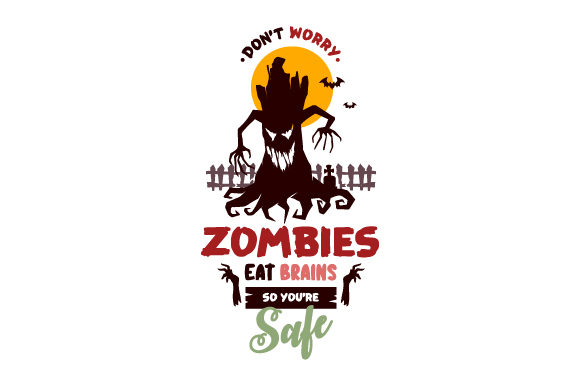
The immediate appeal of Don t Worry, Zombies Eat Brains so You re Safe lies in its irreverent tone. In a market saturated with generic spooky motifs like pumpkins and ghosts, this quote offers a clever twist that appeals to adults and teens alike. Visually, the layout appears balanced, likely utilizing a mix of bold typography for emphasis and lighter weights for readability. For a designer, this contrast is crucial. If every word were the same weight, the design would look flat and monotonous once stitched. The playful nature of the quote suggests it belongs in casual, fun contexts rather than formal decor. It creates a mood of lighthearted defiance, perfect for breaking the tension of traditional holiday scares.
Real-World Application: From Sweatshirts to Totes
To truly judge a machine embroidery design, you must imagine it on a finished product. I visualized this quote centered on the chest of a heather grey crewneck sweatshirt. The texture of the fleece provides a forgiving background for the stitches, allowing the thread colors to pop without getting lost in the fabric pile. This is an ideal candidate for sweatshirt embroidery because the garment’s inherent bulk supports the density of the text without puckering.
Another strong use case is a canvas tote bag design. Canvas is stable and holds stitches well, making it excellent for larger text layouts. Imagine this quote stitched in bright orange or slime green thread against a natural beige canvas. It transforms a simple grocery bag into a statement piece for trick-or-treating or everyday errands. For Etsy sellers and small shop product creators, this versatility is key. You are not limited to one niche; you can market it as holiday embroidery gear or year-round quirky apparel.
I also considered its potential as an embroidered patch. Patches require clean edges and manageable density. If the design includes small decorative elements alongside the text, they must be robust enough to survive the cutting process. A patch allows customers to add the humor to existing jackets or backpacks, increasing the perceived value of the handmade product.
Technical Considerations for Stitching Success
While the concept is strong, the execution depends on technical details. Text-heavy designs live or die by their legibility. When reviewing the embroidery file, I look closely at the letter spacing. In embroidery, threads have thickness. If the kerning is too tight, the satin stitch columns will merge, turning distinct letters into an unreadable blob. Conversely, if the spacing is too wide, the design loses cohesion. For Don t Worry, Zombies Eat Brains so You re Safe, ensuring adequate breathing room between characters is essential, especially for smaller hoop sizes.
Stitch density is another critical factor. Too dense, and the fabric will pucker, particularly on thinner materials like cotton t-shirts. Too light, and the backing fabric might show through, ruining the professional look. I recommend using a cut-away stabilizer for garments that will be washed frequently, such as t-shirts and baby clothes. For home decor items like pillow covers, a tear-away stabilizer might suffice, but always test first. The type of stitch used matters too. A combination of fill stitch for larger graphic elements and satin stitch for text usually yields the best results. Avoid excessive running stitch outlines unless they are purely decorative, as they can look cheap if not perfectly aligned.
Navigating Fabric and Hoop Constraints
Not every fabric is a friend to this design. Stretchy knits require careful hooping and stabilization to prevent distortion. If you are attempting this on a curved surface like a cap, the design’s width becomes a constraint. You must confirm the hoop size compatibility before purchasing. A design that looks great in a 5x7 inch hoop might need resizing for a 4x4 inch hoop, which could compromise the clarity of smaller letters. Always check the minimum recommended size provided by the digitizer.
Dark fabrics present a different challenge. If you plan to stitch light-colored thread on black fabric, ensure the design does not have large open spaces that reveal the dark background unintentionally. Sometimes, adding a subtle underlay or choosing a slightly thicker thread weight can improve coverage. For baby embroidery, softness is paramount. Ensure the back of the stitching is smooth and free of scratchy knot tails, as this item might end up on sensitive skin.
Commercial Viability and Brand Consistency
For craft business owners, the commercial potential of this design is high due to its shareability. Humorous quotes are frequently photographed and shared on social media, providing organic marketing for your custom apparel. However, professionalism is key. A sloppy stitch-out damages brand trust. Before listing this as a digital embroidery file or selling finished items, produce a sample. Check for thread breaks, color consistency, and alignment.
When creating printable mockup images for your online store, display the design on various products. Show it on a cozy blanket, a structured cap, and a casual tee. This helps buyers visualize the finished product in their own lives. Remember, you are selling not just a design, but an experience. The right thread colors can elevate the design from standard to standout. Consider offering custom color options for clients who want specific team colors or school spirits mixed with the Halloween theme.
Final Designer Notes and Best Practices
Before you commit to a large production run or list this in your shop, follow these practical steps:
- Test on scrap fabric: Always stitch a sample on the same material you intend to use for the final product. This reveals issues with tension and density.
- Check licensing: Confirm whether the design assets come with a commercial license. Some creators allow unlimited sales, while others have caps. Never assume.
- Review small details: Zoom in on the digital preview. Are there any stray stitches or overlapping paths that could cause thread breaks?
- Contrast check: View the design in black and white. If it loses definition, it may rely too heavily on color rather than shape, which is risky for embroidery.
- Verify file formats: Ensure the download includes the formats compatible with your machine (e.g., PES, DST, JEF). Do not assume universal compatibility.
In conclusion, Don t Worry, Zombies Eat Brains so You re Safe is a charming addition to any Halloween collection. Its success relies on thoughtful execution—choosing the right fabric, stabilizer, and thread combination. For the diligent maker, it offers a fun, profitable avenue for commercial embroidery and personalized gifts. Treat the design with respect, test thoroughly, and let the humor shine through precise stitching.