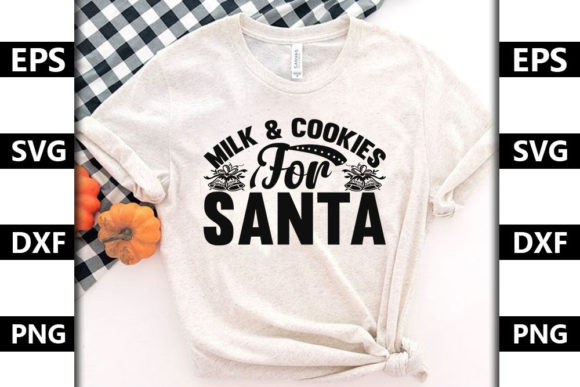
Reviewing the Christmas Quote SVG: Milk & Cookies
As an embroidery designer who has spent years digitizing and stitching thousands of designs, I approach every new machine embroidery design with a mix of curiosity and skepticism. We have all been there: you download a cute graphic, load it onto your machine, and hope for the best, only to find puckered fabric or thread breaks halfway through. That is why I took a close look at the Christmas Quote SVG Design, Milk Cook before committing it to a client project. This isn’t just about whether the image looks good on a screen; it is about how it translates into thread, hoop, and fabric.
The first impression of this design is undeniably cozy. The theme—milk and cookies for Santa—taps into a universal holiday nostalgia that sells well year after year. Visually, the layout feels balanced, with a clear focal point that draws the eye. For those of us in the craft business, visual appeal is the hook, but stitching clarity is what keeps customers coming back. When I opened the files, I was looking for clean lines and logical color separation. Since the ZIP file contains EPS, SVG, PNG, and DXF files, it is clearly positioned as a versatile asset for both cut machines and digital scrapbooking, but my focus here is strictly on its potential as an embroidery project.
Real-World Application: The Holiday Tote Test
To truly evaluate this design, I imagined it stitched onto a heavy canvas tote bag. This is a popular item for Etsy sellers and small shop owners during the fourth quarter. The "Milk and Cookies" motif fits perfectly here because it suggests warmth and hospitality. If I were producing this as a handmade product, I would choose a natural cream or light beige fabric to let the thread colors pop. The design’s personality is playful yet classic, making it suitable for a wide demographic, from young families buying personalized gifts to boutique shoppers looking for subtle holiday decor.
However, translating a vector graphic into an embroidery file requires careful consideration of stitch types. While the provided files are primarily for cutting and printing, using them as a reference for digitizing or converting them for embroidery demands attention to detail. If you are using this as a base for an applique design, the shapes are distinct enough to be cut cleanly from felt or cotton. An applique approach would reduce bulk and give the design a charming, textured look that appeals to buyers of baby embroidery items or nursery decor. Alternatively, if you are stitching it directly, you must consider the balance between satin stitch borders and fill stitch interiors. Too much density on a soft tote bag can cause pulling, so testing on scrap fabric is non-negotiable.
Performance on Apparel and Textiles
Beyond tote bags, this design has strong potential for custom apparel. Imagine it embroidered on the left chest of a fleece sweatshirt or the front of a flannel shirt. In these contexts, the Christmas Quote SVG Design, Milk Cook serves as a festive accent rather than an overwhelming graphic. For sweatshirt embroidery, the texture of the fabric plays a huge role. Fleece can swallow small details, so if the original graphic has tiny text or intricate cookie crumbs, you might need to simplify the design or increase the stitch size to maintain clarity.
I also considered its use on t-shirt designs. While the product category lists it under graphics, applying it to knit fabrics requires a stable backing. A cut-away stabilizer is essential here to prevent the design from distorting after washing. The mood of the design is lighthearted, which works well for casual wear. However, be mindful of stretchy fabric. If the design includes long, straight lines of satin stitch, they may pucker on jersey knits. Breaking up long runs with tack-down stitches or switching to a lighter fill can mitigate this issue.
For those interested in embroidered patch creation, this motif is ideal. Patches allow you to stitch the design on a sturdy twill background before applying it to the final garment. This method gives you total control over thread colors and stitch density without worrying about the underlying garment’s texture. It is a smart workaround for commercial embroidery projects where consistency and quality control are paramount.
Navigating Technical Challenges
No design is without its pitfalls, and honest review means addressing where this design might struggle. One area of caution is small hoop sizes. If you are working with a 4x4 inch hoop, you must ensure the entire "Milk and Cookies" composition fits comfortably within the margins. Crowding the edges can lead to hoop burns or missed stitches. Additionally, check the complexity of any lettering included in the quote. Tiny lettering often turns into a tangled mess of thread if the digitizing isn’t precise. If the SVG includes small text, consider enlarging the overall design or removing the text entirely for a cleaner look.
Dark fabrics present another challenge. The cheerful, likely light-colored palette of milk and cookies will not show up on navy or black fabric without significant modification. You would need to add a white or light-colored underlay or border to create contrast. This is a common oversight for new craft business owners. Always test your design in black and white mockups to see if the shapes hold their definition without color reliance. If the design loses its form in grayscale, it needs more structural definition in the stitching.
Enhancing Product Value and Brand Trust
From a business perspective, the right design elevates the perceived value of your finished product. A well-executed holiday embroidery piece signals professionalism. Customers associate clean stitching and thoughtful design choices with higher quality. When you use a recognizable, beloved theme like Santa’s snacks, you tap into emotional buying triggers. It makes the item feel like a complete personalized gift rather than just a commodity.
For digital embroidery file sellers, offering this type of design can broaden your catalog. However, since the provided files include formats like DXF and SVG primarily for cutters, clarify your licensing terms if you are selling the stitched items. Most buyers want to know if they can use the design for small shop product sales. Clear communication about usage rights builds trust and reduces customer service headaches later.
Practical Designer Notes for Success
Before you start stitching, here are my top recommendations for getting the best results with this design:
- Test on Scrap Fabric: Never skip this step. Use the same material and stabilizer combination you plan to use for the final product.
- Check Thread Contrast: Ensure your thread colors stand out against the fabric. High contrast improves readability and visual impact.
- Review Stitch Density: If you are digitizing from the SVG, keep the density moderate to avoid stiffness, especially on garments.
- Confirm Hoop Size: Measure the design dimensions against your hoop capacity to avoid resizing issues that distort proportions.
- Inspect Small Details: Zoom in on the cookie textures and milk splashes. Simplify any elements that are too fine for thread to reproduce accurately.
- Use Proper Stabilizer: Match your stabilizer to your fabric weight. Tear-away for stable wovens, cut-away for knits.
- Verify Licensing: Confirm whether the design allows for commercial use if you plan to sell finished items or use it in printable mockup previews for your store.
In conclusion, the Christmas Quote SVG Design, Milk Cook offers a charming aesthetic that translates well into various design assets for the holiday season. Whether you are creating tote bag design prototypes, apron embellishments, or festive pillow covers, this motif has the versatility to fit many projects. By paying attention to technical details like fabric texture, stabilizer choice, and stitch structure, you can turn this digital graphic into a high-quality physical product that delights customers and strengthens your brand reputation. Happy stitching!